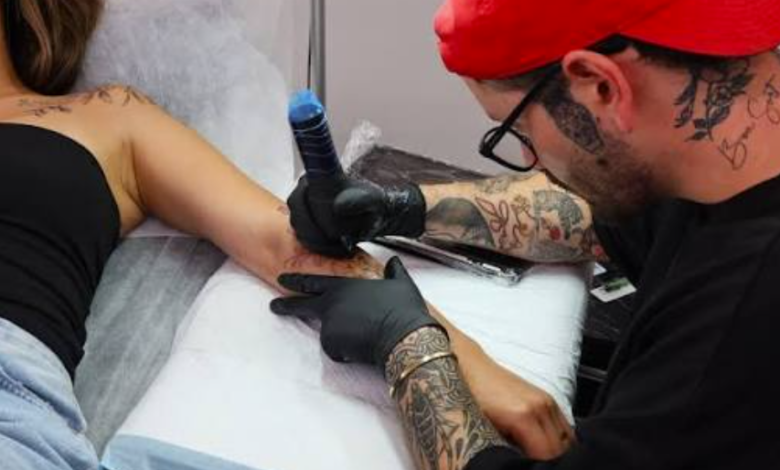
Tattooing has become a popular form of personal expression, allowing people to create meaningful designs and artistic patterns on their skin. Whether someone is interested in learning tattoo artistry or working professionally, having the right equipment is an important part of the process. A tattoo kit brings together essential tools that support tattoo design, preparation, and application.
Choosing a suitable tattoo kit involves understanding its components, quality, safety features, and intended use. With different options available for beginners and experienced artists, knowing what to look for can help users make informed decisions and develop better tattooing practices.
What Is a Tattoo Kit?
A tattoo kit is a collection of equipment and accessories used for creating permanent tattoos. These kits commonly include a tattoo machine, power supply, needles or cartridges, ink, and other materials needed during the tattooing process.
The contents of a tattoo kit can vary depending on the manufacturer, price range, and intended experience level. Some kits focus on basic learning and practice, while others contain professional equipment designed for experienced tattoo artists.
A complete kit can make equipment selection more convenient because several compatible tools are supplied together. However, users must still verify that every component meets appropriate hygiene and safety standards.
See also: From Vintage Walls to Modern Living: Renovating Old Homes in Bangalore
Understanding the Main Components of a Tattoo Kit
A tattoo kit typically contains several tools that work together during the tattooing process. Understanding the purpose of each component helps users recognize the importance of equipment quality.
Tattoo Machine
The tattoo machine is the central component of a tattoo kit. It moves the tattoo needle rapidly to deposit pigment into the skin.
Two common types of tattoo machines are rotary and coil machines. Rotary machines generally use a motor-driven mechanism, while coil machines operate through an electromagnetic system.
Modern rotary machines are often designed to be lightweight and comfortable to hold. Coil machines remain available and are used by artists who prefer their operating characteristics.
Tattoo Needles and Cartridges
Tattoo needles are responsible for placing ink into the skin. They are available in different configurations designed for lining, shading, and filling areas of a tattoo.
Many modern tattoo kits use needle cartridges, which allow artists to change needle configurations with compatible machines.
Needles and cartridges intended for tattooing human skin should be sterile, individually packaged, and single-use. Reusing needles creates serious infection risks.
Tattoo Ink
Tattoo ink provides the pigment used to create permanent artwork. Depending on the kit, it may contain black ink, several colors, or a larger selection of pigments.
Ink quality is particularly important because tattoo pigments are introduced into the skin. Products should come from reputable manufacturers and include clear labeling, batch information, and appropriate safety documentation.
Not every ink supplied in an inexpensive practice kit is suitable for human skin. Some products are intended only for practice on artificial surfaces.
Power Supply and Connection Accessories
Many traditional tattoo machines require a power supply to operate. This equipment controls the electrical output delivered to the machine.
Some modern machines use rechargeable wireless batteries, reducing the need for cables during operation.
Depending on the design, a tattoo kit may also include connection cords, charging equipment, or a foot pedal.
Practice Skin and Additional Accessories
Artificial practice skin is commonly included in beginner tattoo kits. It provides a surface where users can practice basic movements and design techniques without tattooing another person.
Other accessories may include ink caps, machine grips, transfer paper, and storage cases.
These additional items can make a kit more convenient, although professional tattooing also requires proper infection-control equipment and an appropriate work environment.
Different Types of Tattoo Kits Available
Tattoo kits are available in several categories, each designed to meet different learning and professional requirements.
Beginner Tattoo Kit
A beginner tattoo kit generally contains basic equipment and practice materials. It is intended for people who want to understand tattoo machines and develop their artistic skills.
These kits may include a simple rotary machine, basic accessories, and artificial practice skin.
Beginners should focus on practicing with nonhuman surfaces while learning proper sanitation, bloodborne pathogen precautions, and professional tattooing standards.
Professional Tattoo Kit
Professional tattoo kits usually focus on equipment durability, machine performance, and compatibility with professional accessories.
They may include advanced machines, reliable power systems, and tools designed for extended use.
Experienced artists often choose their needles, pigments, and protective supplies separately to match their techniques and established safety procedures.
Wireless Tattoo Kit
A wireless tattoo kit uses a battery-powered machine rather than relying on a constant wired connection.
This design can improve movement around the workstation and reduce cable interference.
Battery capacity, charging time, voltage adjustment, and machine compatibility are important considerations when comparing wireless equipment.
Tattoo Practice Kit
A practice kit is primarily designed for learning. It may include artificial skin, transfer materials, practice inks, and basic equipment.
Practice kits are useful for developing hand control, line consistency, and familiarity with tattoo machine operation.
They also offer a way to experiment with designs without creating permanent changes to human skin.
Why Tattoo Kits Are Gaining Popularity
Interest in tattoo kits has increased alongside the broader appeal of tattoo art and creative hobbies. Several factors contribute to their attraction among aspiring artists.
Growing Interest in Personal Artwork
Tattoos are commonly used to represent personal experiences, memories, artistic preferences, and cultural influences.
As more people explore tattoo design, interest in understanding the equipment and techniques behind the art has also grown.
Convenient Equipment Packages
Purchasing a tattoo kit can be easier than selecting every individual component separately.
A package containing compatible equipment gives learners a clearer starting point for understanding the tools used in tattoo artistry.
More Accessible Learning Resources
Educational materials, professional training programs, and digital tutorials have made tattoo equipment easier to understand.
Although online learning can introduce fundamental concepts, safe tattooing on human skin requires practical training, infection-control knowledge, and compliance with applicable regulations.
Improvements in Equipment Design
Modern tattoo machines are available in compact, lightweight, and wireless designs.
Adjustable settings, ergonomic grips, and interchangeable cartridges have also expanded the range of equipment choices.
Key Features to Consider When Choosing a Tattoo Kit
Not every tattoo kit provides the same level of performance or quality. Comparing important features helps buyers select equipment appropriate for their needs.
Machine Quality and Reliability
A reliable tattoo machine should provide consistent operation and comfortable handling.
The machine’s construction, manufacturer reputation, and availability of replacement components are useful factors to examine.
Compatibility With Accessories
Some tattoo machines use proprietary cartridges or specific power connections.
Checking compatibility before purchasing can prevent problems when replacing supplies or upgrading equipment.
Hygiene and Safety Requirements
Safety should be a primary consideration when evaluating tattoo equipment.
Look for sterile, individually sealed, single-use needles and cartridges. Ink should be appropriately labeled and manufactured for its stated purpose.
A basic kit alone does not provide everything required for safe tattooing. Professional procedures also require proper surface disinfection, protective barriers, gloves, sharps disposal, and infection-control training.
Equipment Comfort
The shape, weight, and grip of a tattoo machine can affect how comfortably an artist works.
Equipment that feels balanced in the hand can support better control during drawing and artificial-skin practice.
Manufacturer Support
Warranty coverage, replacement parts, product instructions, and responsive customer service can add value to a tattoo kit.
Established manufacturers are generally easier to research when checking product specifications and compatibility.
Benefits of Using a Complete Tattoo Kit
A complete tattoo kit can provide practical advantages, particularly for people beginning to explore tattoo artistry.
Organized Equipment Selection
A kit combines several useful tools into one package, helping buyers avoid searching for each item individually.
Easier Introduction to Tattoo Equipment
Beginners can become familiar with machine components, accessory connections, and different materials through supervised study and artificial-skin practice.
Potential Cost Savings
Some kits cost less than purchasing comparable components individually.
However, the lowest-priced package is not necessarily the best value. Product quality, safety documentation, and replacement costs should also be considered.
Convenient Storage
Many tattoo kits include cases or compartments that help keep equipment organized.
Proper storage protects equipment from damage, although clean supplies and contaminated reusable equipment must always be handled and stored separately.
How a Tattoo Kit Supports Skill Development
Learning tattoo artistry requires more than purchasing equipment. Drawing ability, technical understanding, patience, and safety awareness are equally important.
Improving Design Skills
Artists can begin by creating tattoo designs on paper or digital drawing applications.
Understanding shape, proportion, contrast, and composition helps develop artwork suitable for different tattoo styles.
Practicing on Artificial Skin
Artificial practice skin allows learners to experiment with line placement, spacing, and shading patterns.
It also helps them become familiar with machine handling without exposing another person to avoidable risks.
Understanding Equipment Maintenance
Learning how to inspect, clean, and maintain equipment is an essential part of responsible tattoo practice.
Artists should follow manufacturer instructions and distinguish between equipment that can be properly reprocessed and items that must be discarded after a single use.
Developing Professional Habits
A professional approach includes maintaining a clean workspace, understanding cross-contamination, respecting client consent, and following local health requirements.
These practices are essential before an artist begins working with human skin.
Tattoo Kit vs. Individual Tattoo Equipment
Choosing between a complete tattoo kit and separately purchased equipment depends on experience and personal requirements.
A tattoo kit provides convenience because essential components are grouped into one purchase. It can be particularly helpful for learning about equipment compatibility and basic machine operation.
Buying equipment individually offers greater flexibility. Experienced tattoo artists may prefer selecting specific machines, cartridges, and accessories according to their working styles.
An individual purchasing approach may also make it easier to verify the quality and safety documentation of each product.
For beginners, a practice-focused kit can be a reasonable educational option. For professionals, separately selected equipment may provide more customization.
Tattoo Kit Safety and Hygiene Considerations
Tattooing breaks the skin barrier, which means poor hygiene can lead to infections and other complications.
Equipment safety should never be treated as an optional feature.
Use Sterile, Single-Use Needles
Needles and cartridges that contact human skin must be sterile before use and discarded appropriately afterward.
They should never be shared or reused.
Choose Appropriate Tattoo Pigments
Only pigments specifically intended for tattooing human skin should be considered for professional tattoo work.
Even properly manufactured tattoo inks can cause allergic reactions or other complications. Contaminated pigments can also cause infections.
Prevent Cross-Contamination
Professional tattooing requires appropriate hand hygiene, protective gloves, clean work surfaces, disposable barriers, and proper handling of contaminated materials.
Reusable equipment must be processed according to its design and applicable professional infection-control standards.
Obtain Proper Training
Tattooing human skin should be performed by appropriately trained practitioners operating in compliant environments.
Improper technique can result in scarring, infection, poor healing, and permanent skin damage.
Common Mistakes to Avoid When Buying a Tattoo Kit
Several purchasing mistakes can affect equipment quality and overall satisfaction.
Focusing Only on Low Prices
Very inexpensive kits may contain accessories with unclear manufacturing standards or limited product information.
Price comparisons should account for safety, durability, and reliability rather than initial cost alone.
Ignoring Product Compatibility
Not every needle cartridge, battery, or grip works with every tattoo machine.
Checking specifications before purchasing helps avoid unnecessary replacements.
Assuming All Included Ink Is Skin-Safe
Practice inks are not necessarily manufactured for use on human skin.
Users should read labels carefully and avoid using products when their intended purpose or safety documentation is unclear.
Overlooking Professional Training
Owning a tattoo kit does not automatically provide the knowledge needed to tattoo safely.
Formal instruction, practical supervision, and infection-control education remain essential.
Tips for Maintaining a Tattoo Kit
Proper maintenance can help extend the usable life of equipment and reduce unnecessary damage.
Follow Manufacturer Instructions
Each tattoo machine has specific operating, cleaning, and maintenance requirements.
Users should consult the manufacturer’s guidance rather than applying the same process to every machine.
Store Equipment Properly
Store clean, dry equipment in a suitable protective case or designated storage area.
Keep sterile supplies in their original sealed packaging until needed.
Inspect Components Regularly
Check reusable equipment for visible damage, loose connections, and operating problems.
Damaged or malfunctioning equipment should not be used until it has been properly repaired or replaced.
Replace Disposable Supplies
Single-use needles, cartridges, ink caps, and other disposable components must be discarded after their intended use.
They should never be cleaned and reused as a cost-saving measure.
The Future of Tattoo Kit Technology
Tattoo equipment continues to develop as manufacturers improve machine designs, battery systems, and accessory compatibility.
Wireless technology is likely to remain an important area of product development because it offers greater freedom of movement.
Ergonomic machine designs may also improve comfort for artists who spend long periods working on detailed artwork.
Digital drawing applications, stencil preparation tools, and improved practice materials can further support tattoo education.
At the same time, product safety, pigment quality, and professional hygiene standards will remain central concerns in the tattoo industry.
Frequently Asked Questions About Tattoo Kits
1. What Does a Tattoo Kit Usually Include?
A tattoo kit commonly includes a tattoo machine, power accessories, needles or cartridges, ink, and basic supplies. Some packages also contain artificial practice skin, transfer paper, and storage accessories.
2. Is a Tattoo Kit Suitable for Beginners?
A beginner tattoo kit can be useful for learning about equipment and practicing on artificial skin. However, tattooing human skin requires appropriate training, infection-control knowledge, and adherence to local regulations.
3. What Is the Difference Between a Rotary and a Coil Tattoo Machine?
A rotary machine uses a motor-driven mechanism to move the needle, while a coil machine uses an electromagnetic system. They differ in construction, operating characteristics, sound, and handling preferences.
4. Can a Tattoo Kit Be Used for Professional Tattooing?
Some tattoo kits contain equipment suitable for professional use, but their components must meet appropriate quality and safety requirements. Professional tattooing also requires training, proper hygiene facilities, and compliant working practices.
5. How Long Can a Tattoo Kit Last?
The lifespan of reusable equipment depends on its construction, frequency of use, and maintenance. Quality machines may last for years with proper care, while disposable components must be replaced after their intended single use.
6. What Should I Check Before Buying a Tattoo Kit?
Check the machine type, component compatibility, manufacturer reputation, warranty, included accessories, and safety documentation. Verify that pigments and disposable supplies are appropriate for their intended use.
Conclusion
A tattoo kit provides an organized collection of tools for exploring tattoo artistry and understanding professional tattoo equipment. From tattoo machines and needle cartridges to power supplies and practice accessories, each component has a specific role in the overall process.
Selecting the right tattoo kit requires attention to quality, compatibility, comfort, and safety rather than price alone. Beginners can benefit from practice-focused equipment, while experienced artists may prefer specialized tools suited to their techniques.
With suitable equipment, structured education, and careful attention to hygiene, aspiring artists can build a stronger foundation in tattoo design and develop the knowledge needed to approach tattooing responsibly.