An informative guide on safe disposal of unused medicines clarifies what counts as unused or expired, and outlines trusted disposal options. It explains why flushing or trashing medicines is risky and presents step-by-step at-home procedures that can be trusted. The guide also highlights prevention through smart storage and accurate inventory. By linking take-back programs, pharmacies, and mail-back options, it points to practical, environmentally responsible choices—and invites consideration of how communities can reduce contamination and safeguard health.
What Counts as Unused or Expired Medicines
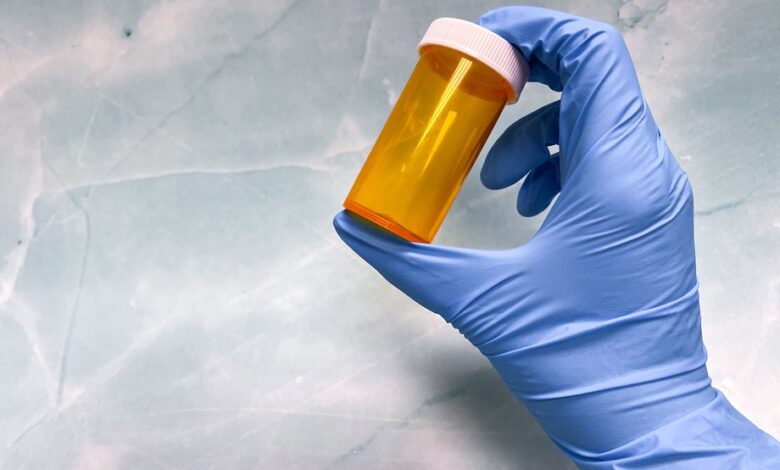
Unused or expired medicines encompass those items that are no longer suitable for patient use due to changes in the formulation, storage conditions, or the passage of time.
The category includes drugs no longer appropriate for therapy, as well as those past their labeled shelf life.
Clear definitions help professionals distinguish between unused medicines and expired medicines for proper management.
Safe Disposal Options: Take-Back Programs, Pharmacies, and Mail-Back
Safe disposal options for unused or expired medicines include take-back programs, pharmacies, and mail-back systems. The article describes take back programs and pharmacies as accessible, regulated channels for proper disposal, supported by public health data. Mail back options offer convenient alternatives, reinforcing safe disposal practices. Evidence supports compliance with local rules; selecting appropriate methods reduces environmental impact and personal risk. safe disposal.
Myths About Flushing and Trashing: And Why They’re Risky
Flushing medicines or discarding them into the trash are common but risky disposal habits. This myth exposure reveals that improper disposal sustains disposal pollution, contaminating water, soil, and ecosystems. Evidence shows trace pharmaceuticals persist post-consumer use, threatening wildlife and human health. Adopting approved options reduces exposure risks, supporting safer environments and informed choices without compromising personal freedom.
Step-By-Step At-Home Disposal Procedures You Can Trust
Effective at-home disposal procedures minimize environmental and public-health risks by following verified steps rather than ad hoc practices.
Step-by-step guidance emphasizes labeling, securing, and methodical execution to minimize exposure.
The focus is on unused medications and careful adherence to disposal steps, including household-safe containers and authorized take-back options where available.
This approach supports informed, freedom-oriented choices with proven, practical procedures.
How to Prevent Waste: Smart Storage, Inventory, and Community Options
Smart storage, accurate inventory, and accessible community options form the preventive layer that minimizes waste from unused medicines. Effective storage reduces degradation and misuse, while disciplined inventory management prevents overstock and expiration. Community options expand safe disposal beyond households, reinforcing environmental impact awareness. Clear labeling, periodic audits, and education empower individuals to act, sustaining responsible consumption and reducing needless waste.
Frequently Asked Questions
How Is Disposal Legally Regulated in My State?
Disposal regulations vary by state and are enforced through state agencies; the exact legal framework determines permissible disposal methods. State enforcement involves inspections and penalties for noncompliance, ensuring adherence to documented guidelines and environmental protection obligations.
Can I Dispose of Liquid Medications Separately?
Liquid disposal should not be mixed with solid waste; can liquid disposal be done separately? Yes, separate liquids from other waste streams, following local guidelines and take-back programs, as evidence-based practice supports proper handling and reduces contamination risks.
What Happens to Medicines Collected in Take-Back Programs?
What happens to medicines collected in take back programs varies, but generally they are securely transported, sorted, and disposed of or recycled under regulated procedures. Regulation basics, state laws, and take back programs guide compliance and environmental safety.
Are Pet Medications Disposed of the Same Way as Human Meds?
Unused pet meds are not disposed of identically to human meds; veterinary disposal practices differ. In many cases, unused pet meds should be handled under veterinary guidance, emphasizing proper return or designated disposal through veterinary disposal programs and community guidelines.
How Can I Recycle Medication Packaging Safely?
Symbolically, the box becomes a guardian: recycling packaging protects waters and soils. The article notes: always follow labeling integrity, empty and rinse containers, remove personal data, and dispose via approved programs or household hazardous waste where available.
Conclusion
This guide closes by recalling a quiet, cautionary tale: medicines trusted to heal can harm if misused or discarded improperly. Informed choices mirror prudent stewardship seen in careful guardianship of a village’s legacy—take-back programs, pharmacy routes, and mail-back options anchor safety. Like an old atlas guiding travelers away from dangerous routes, the steps for home disposal, storage, and inventory keep ecosystems intact and communities healthier, underscoring that responsible disposal is a shared duty.