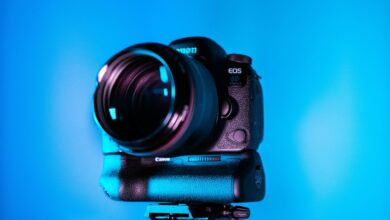
White balance consistency can be treated as a repeatable, objective standard rather than a vague impression. It centers on two pillars: color temperature and luminance-neutral targets. The aim is reproducibility across gear and shots using fixed reference frames, consistent LUTs, and waveform checks. Documented procedures and routine diagnostics guard against drift, enabling predictable results in post. The approach invites disciplined workflow, yet hints at hidden variances that merit careful scrutiny and ongoing refinement. A clear path awaits with practical tests.
What White Balance Is and Why Consistency Matters
White balance is the camera setting that adjusts the colors captured by the sensor so that white objects appear white under various lighting conditions. It is defined by its effect on color temperature, which governs the overall hue of an image. Consistency ensures color accuracy across shots, enabling reliable reproduction and predictable post-production, even when lighting changes or workflows vary.
On-Set Cues for Matching Color Temperature Across Gear
To ensure color temperature parity across different gear on set, technicians implement deliberate cues that synchronize the white balance workflow from capture to post.
On-set procedures emphasize consistent color temperature across cameras, with standardized lens calibration checks, neutral gray references, and timed white balance targets. This disciplined approach minimizes divergence, ensuring predictable results and streamlined post-production across diverse lenses and sensors.
Post Workflows to Preserve and Verify Balance Across Shots
Post-production workflows must validate that the captured white balance remains consistent across shots and scenes. A fixed reference frame guides comparison, with metadata audits and waveform verification ensuring color temperature stability. Normalized LUTs and scene-referenced corrections preserve color integrity, while cross-shot audits detect drift. Documented notes, repeatable steps, and objective metrics uphold white balance coherence and transparent, freedom-driven creative consistency.
Troubleshooting Common Sources of Drift and Mismatch
Common sources of drift and mismatch are examined through a structured diagnostic lens, isolating variables that influence perceived color balance. The analysis targets both calibration history and environmental influences, documenting drift diagnosis steps.
Sensor drift is quantified via controlled tests, cross-checked against reference frames, and tracked over time to distinguish gradual change from momentary perturbations, enabling precise corrective actions.
Quick Checklists and Practical Tests for Live Validation
Practical validation for live workflows demands concise, repeatable checks that can be performed without disrupting operations. Quick checklists streamline decision points during shoots, while practical tests verify real-time accuracy. Documented calibration rituals anchor consistency challenges, offering repeatable methods for color targets, white balance, and LUT validation. The approach favors disciplined, distraction-free procedures that maintain creative momentum and operational reliability.
Frequently Asked Questions
How Can I Measure White Balance Delta Between Clips Quickly?
A cautious method measures white balance delta quickly by sampling keyframes and computing mean color shifts. It emphasizes measurements consistency and brightness calibration, applying a uniform gray reference, histogram matching, and delta E metrics to ensure reproducible results across clips.
Do LUTS Affect Color Temperature Accuracy After Grading?
Lays the truth bare: LUTs can alter color temperature perception if not carefully managed; they influence gamma and hue, but with proper node-based adjustments, accuracy remains achievable. Two word idea, two word idea: calibration discipline.
Can Lighting Gauges Predict WB Drift During a Shoot?
Lighting gauges can predict wb drift during a shoot, but provide probabilistic insight rather than certainty. They measure color temperature shifts, enabling evaluation of lighting consistency and adjustments to minimize wb drift across scenes for stable visuals.
Should Camera Profiles Be Standardized Across All Lenses?
Standardizing camera profiles across all lenses is not advisable; prioritize lens consistency within a calibrated workflow. This preserves white balance flexibility, supports accurate color science, and maintains freedom to tailor profiles to individual lens characteristics.
How Often Should WB Be Rechecked During Multi-Day Shoots?
Rechecking white balance every session is prudent; during multi-day shoots, maintain shoot stability by implementing a fixed calibration cadence and post-shoot verification. This disciplined routine minimizes drift, preserving color integrity without sacrificing creative freedom.
Conclusion
In sum, white balance consistency rests on objective, repeatable metrics rather than impression. The theory holds that stable color temperature tracking, anchored by luminance-neutral gray references and fixed LUTs, yields predictable post results when combined with standardized reference frames and waveform verification. Practical truth: drift is predictable if procedures are documented and diagnostics routine. By isolating variables, calibrations become auditable, enabling engineers to anticipate shifts, diagnose causes quickly, and sustain coherent color across gear, scenes, and workflows.