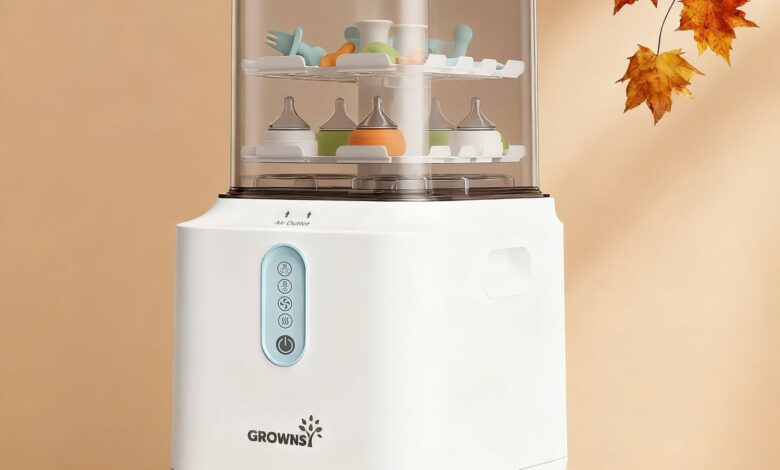
Keeping your baby’s bottle washer clean and properly disinfected is essential for protecting your infant’s delicate immune system. While these handy devices simplify the bottle cleaning routine, they can quickly become breeding grounds for bacteria, mold, and mildew if not maintained correctly. Milk residue, formula buildup, and moisture create the perfect environment for harmful microorganisms to thrive, potentially exposing your baby to infections and digestive issues.
Regular cleaning and disinfecting of bottle washers goes beyond simple rinsing. It requires a systematic approach to eliminate hidden germs that accumulate in hard-to-reach areas like spray arms, filters, and drainage systems. The benefits extend far beyond health protection—a well-maintained bottle washer performs more efficiently, lasts longer, and ensures your baby’s bottles emerge truly clean after each wash cycle. By establishing proper cleaning habits from the start, you’ll create a safer feeding environment while maximizing your investment in this essential baby care equipment.
Understanding the Importance of Cleaning
The seemingly simple act of cleaning your bottle washer carries profound implications for your infant’s health. Babies are born with immature immune systems that take months to develop the defenses adults take for granted. During this vulnerable period, exposure to bacteria like E. coli, Salmonella, or Staphylococcus from contaminated feeding equipment can lead to serious gastrointestinal infections, fever, and dehydration that may require hospitalization.
Bottle washers create a particularly challenging environment because they combine organic material with warm, moist conditions. When milk proteins and formula sugars remain in crevices, spray nozzles, or drainage areas, they decompose rapidly, forming biofilms where bacteria multiply exponentially. These microscopic communities are remarkably resilient, resisting casual rinsing and allowing pathogens to transfer back onto supposedly clean bottles during the next wash cycle.
Beyond immediate health concerns, consistent cleaning practices establish the foundation for your baby’s long-term wellbeing. Research shows that infants who experience fewer infections during their first year demonstrate better growth patterns and developmental outcomes. A hygienic bottle washing routine isn’t about perfectionism—it’s a practical investment in your child’s health that takes just minutes but delivers lasting protection against preventable illnesses that could otherwise disrupt your family’s peace of mind.
Selecting the Right Cleaning Products
Choosing appropriate cleaning products for your bottle washer requires balancing effectiveness against safety, since any residue could end up in your baby’s digestive system. The gold standard for infant feeding equipment is fragrance-free, dye-free dish soap specifically labeled as safe for baby items. These formulations omit harsh chemicals while maintaining the surfactant strength needed to break down milk fats and formula proteins that standard water cannot dissolve alone.
White distilled vinegar serves as an excellent natural disinfectant and descaling agent, particularly effective against mineral deposits from hard water that can clog spray mechanisms. Its acidity neutralizes odors and dissolves biofilm without leaving toxic residues. For deeper disinfection, food-grade hydrogen peroxide offers hospital-level antimicrobial action that breaks down into harmless water and oxygen, making it safer than bleach-based alternatives that require extensive rinsing and ventilation.
Avoid products containing quaternary ammonium compounds, triclosan, or artificial fragrances, as these leave persistent residues that babies may ingest. Similarly, standard dishwasher detergents designed for adult dishes often contain enzymes and additives too aggressive for infant equipment. When uncertain about a product’s safety, the “would I put this directly on a baby bottle nipple?” test provides practical guidance. Investing in specialized baby-safe cleaners might cost slightly more upfront, but the peace of mind knowing you’re not introducing unnecessary chemicals into your infant’s feeding routine makes the difference worthwhile for most parents.
The Step-by-Step Cleaning Process
Begin by disassembling your bottle washer according to the manufacturer’s instructions, removing all detachable components including spray arms, filters, bottle racks, and drainage baskets. This allows you to access hidden areas where milk residue and bacteria accumulate. Run these removable parts under warm water to flush away loose debris and formula particles, paying special attention to spray nozzles and filter screens where buildup commonly occurs.
Fill your sink with hot water and add baby-safe dish soap, creating a cleaning solution that’s warm enough to dissolve milk fats but not so hot that you cannot comfortably submerge your hands. Place all disassembled parts into this soapy water and let them soak for ten to fifteen minutes to loosen stubborn residue. While components soak, use a soft-bristled brush or clean cloth to scrub the interior chamber of the bottle washer itself, reaching into corners and around the heating element where moisture tends to collect.
After soaking, scrub each component individually with your brush, working the bristles into spray holes, mesh screens, and any grooved surfaces. Rinse everything thoroughly under running water until no soap residue remains and the water runs completely clear. For monthly deep disinfection, prepare a solution of equal parts white vinegar and water, pour it into the washer’s reservoir, and run a complete empty cycle. This removes mineral deposits and eliminates bacteria throughout the internal system.
Once the vinegar cycle completes, run one additional cycle with plain water to remove any lingering vinegar taste or smell. Shake excess water from all components and allow them to air-dry completely on a clean towel in a well-ventilated area. Never reassemble the bottle washer while parts remain damp, as trapped moisture creates the ideal environment for mold growth. Only when everything feels completely dry should you put the unit back together, ensuring it’s ready for the next use with maximum hygiene and no bacterial carryover.
See also: How Liveness Detection Technology Is Combating Deepfake Threats
Eliminating Harmful Germs
The invisible threat lurking in bottle washers extends beyond general bacteria to specific pathogens that pose serious risks to infants. Cronobacter sakazakii, a particularly dangerous organism associated with powdered formula, can survive in dry environments and multiply rapidly when exposed to moisture inside bottle washers. Similarly, Pseudomonas aeruginosa thrives in wet conditions and has been linked to respiratory infections in vulnerable babies. These germs resist casual cleaning efforts, requiring deliberate disinfection strategies to neutralize completely.
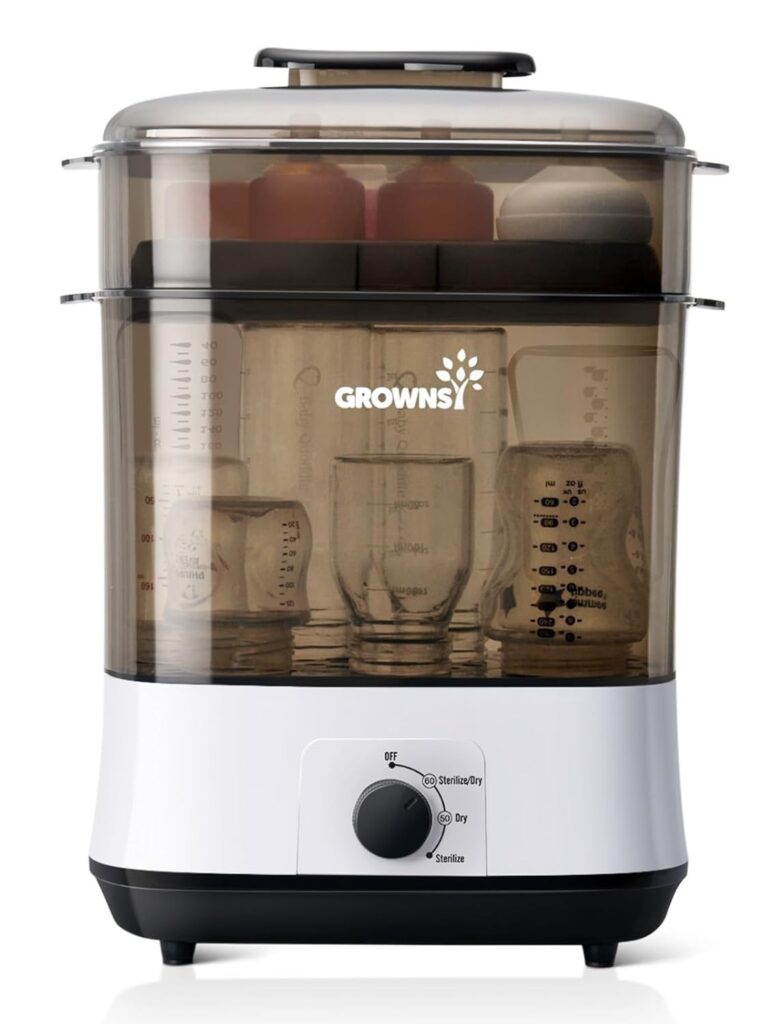
Heat disinfection remains one of the most reliable germ-elimination methods available to parents. After completing your regular cleaning routine, immerse all removable bottle washer components in boiling water for five minutes, which kills virtually all harmful microorganisms without chemical residues. For components that cannot withstand boiling temperatures, a diluted hydrogen peroxide solution applied for three to five minutes achieves comparable results. Steam sterilization offers another effective option—many modern bottle washer sterilizer units from brands like Grownsy include built-in sterilization cycles that reach temperatures exceeding 200 degrees Fahrenheit, sufficient to destroy even heat-resistant bacterial spores.
The timing of disinfection matters as much as the method itself. While daily cleaning with soap and water suffices for routine maintenance, weekly heat or chemical disinfection provides the deeper protection necessary to prevent pathogen accumulation. After any illness in the household or if the bottle washer has been unused for several days, immediate disinfection before resuming normal use prevents cross-contamination and ensures your baby’s feeding equipment meets the highest hygiene standards.
Maintaining a Clean Bottle Washer
Establishing a consistent maintenance schedule transforms bottle washer hygiene from a reactive chore into a proactive habit that protects your baby continuously. Implement a daily quick-clean routine immediately after each use by rinsing all components under running water and wiping down the interior chamber with a clean cloth, preventing milk residue from hardening overnight. This thirty-second practice dramatically reduces bacterial growth between deep cleaning sessions and keeps your washer ready for the next feeding cycle without extensive preparation.
Schedule thorough weekly cleanings where you disassemble, soak, scrub, and disinfect all components using the methods outlined earlier. Mark this appointment on your calendar just as you would any pediatrician visit—consistency matters more than perfection. Monthly maintenance should include the vinegar descaling cycle to address mineral buildup and a complete inspection of spray nozzles, checking for clogs that reduce cleaning effectiveness. Replace worn filters or damaged components promptly, as compromised parts cannot maintain proper hygiene standards regardless of cleaning frequency.
Between uses, leave the bottle washer door slightly ajar to promote air circulation and prevent moisture accumulation that encourages mold growth. Store the unit in a dry location away from direct sunlight, which can degrade plastic components over time. Keep a dedicated cleaning brush and cloth exclusively for bottle washer maintenance to avoid cross-contamination from other household cleaning tasks. These simple environmental controls extend your washer’s lifespan while ensuring it remains a reliable guardian of your infant’s health rather than an inadvertent source of contamination.
Protecting Your Baby Through Proper Bottle Washer Hygiene
Maintaining a clean and disinfected bottle washer stands as one of the most fundamental yet impactful steps you can take to safeguard your infant’s health. Throughout this article, we’ve explored how proper cleaning techniques, appropriate product selection, and consistent maintenance routines work together to eliminate harmful bacteria that threaten your baby’s vulnerable immune system. From understanding why milk residue creates dangerous breeding grounds for pathogens to implementing systematic cleaning processes that reach every hidden crevice, each practice contributes to a comprehensive hygiene strategy that transforms your bottle washer from a potential contamination source into a reliable protective tool.
The investment required is minimal—just minutes of daily attention and weekly deep cleaning—yet the returns are immeasurable. By incorporating these practical tips into your routine, you’re not simply cleaning equipment; you’re creating a safer feeding environment that supports your baby’s healthy development during those critical first months. Remember that consistency matters more than perfection, and even small improvements in your cleaning habits deliver significant protection against preventable illnesses. Make bottle washer hygiene a non-negotiable part of your infant care routine, and you’ll gain the confidence that comes from knowing every bottle your baby receives has been prepared with the highest standards of cleanliness and care.