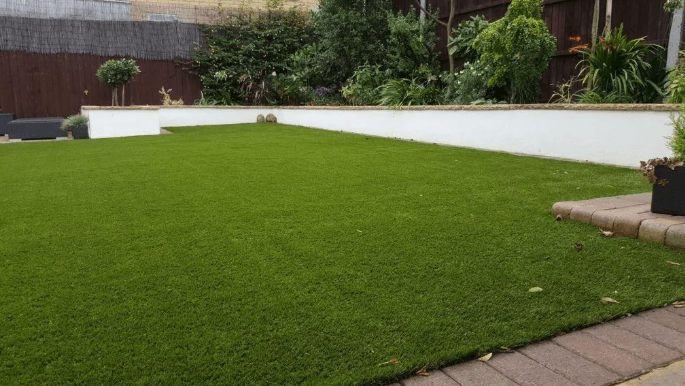
Choosing the right turf variety for a Wollongong garden is a decision that shapes the lawn’s appearance, performance, and maintenance demands for many years. The Illawarra region presents a distinctive combination of conditions — warm, humid summers, mild winters, coastal breezes in many suburbs, and a range of soil types from heavy clay on the escarpment foothills to sandy loam closer to the coast — that makes turf selection a genuinely consequential choice rather than a simple preference between grass colours or textures.
Understanding Wollongong’s climate and soil
Wollongong’s climate is classified as humid subtropical, with summer rainfall that can be intense and prolonged and a winter season that is mild enough to allow year-round lawn activity in most years. This climate suits warm-season grasses that can handle the heat and humidity of summer while maintaining an acceptable appearance through the cooler months. The challenge is that the same warmth and humidity that promotes grass growth also promotes lawn disease, particularly fungal conditions that thrive in the wet summers that are common in coastal Illawarra.
Quality turf supplies in Wollongong from a supplier familiar with the Illawarra region takes much of the guesswork out of variety selection, as a specialist turf provider will understand which cultivars perform consistently well in the specific combination of climate, soil, and use conditions that characterise Wollongong gardens. The investment in sourcing from a knowledgeable local supplier is repaid in faster establishment, better long-term performance, and reduced ongoing maintenance costs compared to generic turf purchased without regard for local suitability.
Clay soils, which are common in the foothills and inland suburbs of Wollongong, hold moisture well but drain slowly and become compacted under foot traffic and regular mowing. Turf varieties planted in clay soils benefit from soil preparation before laying — incorporating gypsum to improve structure, ensuring the surface is graded adequately for drainage, and applying a quality lawn underlay to create a better growing medium in the critical establishment zone directly beneath the turf. Without this preparation, even the most appropriate variety will struggle in heavy clay.
Buffalo turf in Wollongong
Soft-leaf buffalo grasses — including Palmetto, Sir Walter DNA Certified, and Sapphire — are the most widely planted turf variety in Wollongong residential gardens, for good reasons. Buffalo’s broad leaf and dense growth habit create a lush, attractive appearance that suits the garden aesthetics of most suburban Wollongong properties, and its shade tolerance is a significant practical advantage in gardens with mature trees or north-facing aspects that receive less than full direct sun throughout the day. The Illawarra’s pattern of heavy summer rainfall also suits buffalo well, as it is moderately tolerant of wet conditions compared to some finer-bladed alternatives.
Sir Walter DNA Certified is particularly well-suited to Wollongong because it combines strong disease resistance with excellent shade tolerance and a dense, self-repairing growth habit that handles moderate foot traffic well. The DNA Certified designation provides assurance that the turf is genuine Sir Walter rather than an inferior substitute, which matters when purchasing a variety whose strong reputation has created a market for look-alike products that lack the performance characteristics of the original. Verifying the certification at the point of purchase is a simple step that avoids a common and costly mistake.
Couch and zoysia alternatives
Couch grass varieties — including TifTuf, Nullarbor Couch, and Wintergreen — offer a finer-bladed, denser alternative to buffalo that suits properties with full sun, high foot traffic, and a preference for a tighter, more manicured appearance. TifTuf in particular has gained a strong reputation for drought tolerance and wear recovery, making it a good choice for Wollongong properties with active families or a desire to reduce irrigation frequency during the summer months. Its primary limitation in Wollongong is moderate shade sensitivity — couch requires at least six hours of direct sun daily to thrive and will thin and deteriorate progressively in shadier spots.
Zoysia varieties — including Nara Native Zoysia and Empire Zoysia — represent a premium option that offers exceptional drought tolerance, moderate shade tolerance, and a dense, weed-resistant growth habit that reduces the ongoing maintenance burden significantly. Zoysia establishes more slowly than buffalo or couch, requiring patience through the first growing season as the grass spreads to achieve full coverage, but once established it requires less water, less fertiliser, and less frequent mowing than most alternatives. For Wollongong homeowners who prioritise low maintenance over rapid establishment, zoysia is an increasingly popular choice.
Preparation and establishment
Regardless of the variety selected, proper site preparation is the foundation of successful turf establishment. The area should be cleared of all existing vegetation, including weeds, and the soil surface should be graded to ensure water drains away from the house and does not pool in low spots that will create persistently wet areas prone to disease and wear. The topsoil should be cultivated to a depth of at least one hundred millimetres and amended with a quality lawn starter fertiliser to provide the nutrients needed for rapid root development during establishment.
Making data-driven decisions applies across many fields — just as professionals use LinkedIn analytics software to understand which content resonates with their audience before making strategic choices, choosing turf requires gathering accurate information about your specific site conditions before committing to a variety. Understanding your soil type, the sun and shade pattern on your block, how the lawn will be used, and what level of maintenance you are realistically able to provide produces a selection that performs well in practice rather than one that looked appealing in a catalogue.
Watering during establishment is the most critical variable in successful turf laying. Newly laid turf should be watered immediately after installation to ensure the underside of the turf is in good contact with the prepared soil, and then kept consistently moist — not waterlogged — for the first two to four weeks while the roots establish into the soil beneath. In Wollongong’s summer heat, this may require watering twice daily during the hottest periods. Reducing irrigation frequency progressively from the third week encourages deeper root development and builds the drought tolerance that makes the established lawn more resilient in subsequent seasons.
Ongoing maintenance for Wollongong lawns
A well-chosen and properly established lawn in Wollongong requires relatively modest ongoing maintenance — regular mowing during the growing season, fertilisation two to three times per year aligned with the active growth periods, periodic aeration to prevent compaction, and monitoring for the pests and diseases that are common in the humid Illawarra climate. Lawn grubs are particularly active in Wollongong during late summer and early autumn, and early identification and treatment prevents the root destruction that can devastate an otherwise healthy lawn in a matter of weeks. A healthy, well-nourished lawn is the best defence against both pests and disease, making the investment in regular care a genuine preventive strategy rather than purely cosmetic maintenance.