Wondering how to be sure if the borewater is safe to use? Testing the borewater every 2 years is considered safe, as water quality may change over time. In this discussion, we will discuss why the ‘Every 2 Years’ rule should be followed for borewater quality maintenance.
Bore water is one of the ways to access water from underground aquifers. A borehole can be as deep as 400 meters, and a bore pump is used to pump water from the underground reserve. These boreholes are common in Australia, as it is one of the driest continents in the world.
The Australian population relies on bore water because it reduces the reliance on the municipal water supply. Besides, bore water meets water demand for industrial and agricultural work.
However, the growing population and expanding civilization are increasing the risk of bore water contamination.
This is why checking the bore water quality ‘Every 2 Years’ has become necessary.
What Is the “Every 2 Years” Rule?
The water testing guidelines in Australia are regulated by the Australian Drinking Water Guidelines. Assessing the water quality in Australia becomes easier when you follow the guidelines. Moreover, the government of South Australia also suggests that the quality of bore water needs to be assessed every 2 years. Besides, the owner is also responsible for monitoring the quality of water and checking if there is any change in taste and water colour.
Using the bore water without proper testing might unknowingly lead to the consumption of harmful substances. The best thing would be to speak to an environmental consultant and get the bore water tested to be on the safe side.
What the Rule Applies To
The ‘Every 2 Years’ rule can be very effective in identifying bore water contamination. Regardless of the location in Australia, following the water testing rule is essential if someone owns or manages a borehole for:
- Private residential water usage
- Agricultural water usage
- Commercial and industrial water usage
If the water source of the private residential bore water is contaminated, the health of the citizens and their family members will be affected. At the same time, the contaminated bore water can affect agricultural activities.
The water bore monitoring process needs to be strict for industrialists. As the industrial activities can contaminate the water source by seeping chemicals, PFAs, etc., into the ground.
With the ‘Every 2 Years’ role, industries should check the bore water they use to see if the water is contaminated.
Why Water Bore Monitoring Is Essential: Hidden Risks in Untested Bores
Water bore monitoring can identify if the bore water is safe for human usage. If the following characteristics are found in the bore water, there is a chance that the water is contaminated:
- Unusual odours
- Strange water taste
- Health issues (like digestion issues, nausea)
Be more careful about the bore water health in the premises, if there is a waste disposal site nearby, or if industrial wastewater gets deposited in a nearby water body. These are the possible sources of bore water contamination.
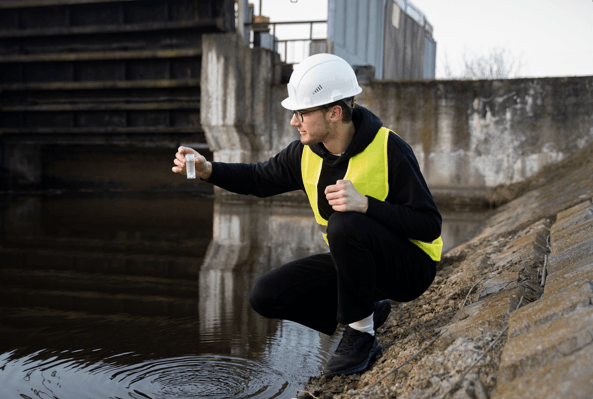
Oftentimes, detecting a possible source of contamination becomes impossible for ordinary people. However, a professional environmental consultant can identify if the bore water is at risk.
See also: A Practical Guide on How To Prevent Cyberattacks for Small Businesses
Common Contamination Sources in Australia
Living in Australia requires being extra cautious regarding the bore water safety. For example, the country is prone to thunderstorms, which may lead to runoff of pesticides, oils, and waste to the nearest water body.
Over time, the waste materials may contaminate the bore water. Besides, asbestos-containing materials may also contaminate the bore water. Needless to say, the risk of industrial contamination remains in Australia.
| Category | What’s Tested | Why It Matters |
| Microbiological | E. coli, coliforms | Health and drinking safety |
| Chemical | Heavy metals, nitrates | Long-term health risks |
| Industrial | Hydrocarbons, solvents | Linked to the nearby industry |
| Physical | Turbidity, salinity | Usability and system damage |
| Asbestos-related | Fibres (where applicable) | Serious inhalation risks |
Table: Common Bore Water Contaminants
How Often Should You Test Your Bore?
The Environment Protection Authority suggests that people in Australia should test the bore water quality before they start using it for their daily use. It also suggests that heavy metals, VOCs, pesticides, polycyclic aromatic hydrocarbons, and other harmful chemicals may be present in different areas of groundwater sources.
Before someone starts using the bore water for the first time, better to get in touch with an environmental consultant. Depending on the bore location and the surrounding settings, the consultant will suggest possible water testing.
After the initial inspection reports come back positive (no contamination), make sure to check the bore water once every 2 years. However, the testing frequency can be higher if the borehole is near a construction site, near a contaminated area, or if the bore water is used for drinking.
Want to Be Safe? Adopt ‘Every 2 Years’ Test
If the goal is to be safe and healthy, make sure to test the bore water every 2 years. However, the bore water should be tested more frequently if there is a possible contamination site nearby. The ultimate goal is to use bore water that is safe and secure.