In the world of event production, lighting serves as more than mere illumination—it creates atmosphere, directs attention, and transforms ordinary spaces into extraordinary experiences. Whether orchestrating a corporate conference, music festival, or theatrical production, the quality of your lighting directly influences audience engagement and event success. Professional lighting solutions have become essential tools for event planners and production teams seeking to deliver memorable experiences that resonate long after the final curtain falls.
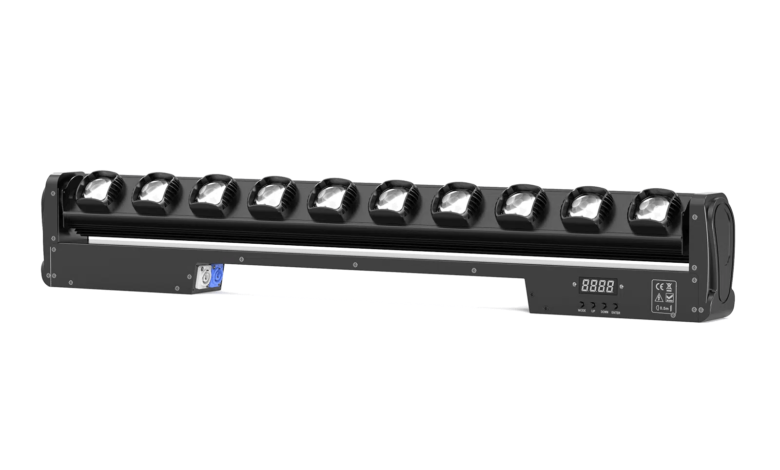
Among the most versatile instruments in modern lighting design, beam moving head lights stand out for their ability to adapt to virtually any setting or creative vision. These powerful fixtures combine precision movement with intense, focused beams that cut through ambient light and fog to create dramatic aerial effects. Their programmable nature allows lighting designers to craft intricate sequences that synchronize with music, speeches, or performances, while their compact design and energy efficiency make them practical choices for venues of all sizes. From sweeping searchlight effects to tight spotlights that follow performers across the stage, beam moving head lights offer the dynamic range today’s events demand.
Understanding Beam Moving Head Lights
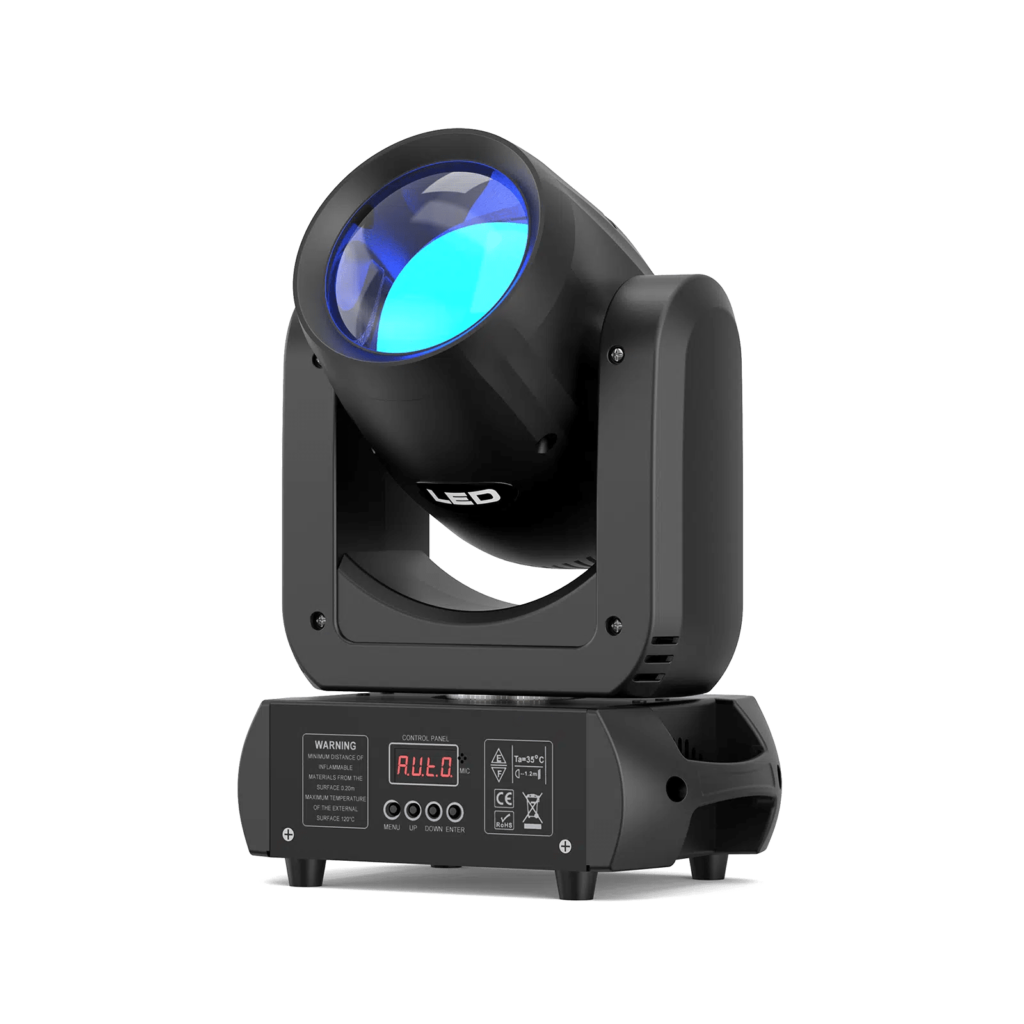
Beam moving head lights represent a sophisticated category of intelligent lighting fixtures designed to produce narrow, highly concentrated beams of light with exceptional brightness and precision. Unlike traditional static lights or wash fixtures, these instruments feature motorized pan and tilt mechanisms that allow the fixture head to rotate horizontally and vertically, creating sweeping movements across any space. The defining characteristic of beam lights is their tight beam angle—typically ranging from 1 to 5 degrees—which produces sharp, laser-like columns of light that remain visible even without theatrical fog.
The internal architecture of beam moving head lights centers around a powerful discharge lamp or LED array paired with advanced optical systems that focus the light into an intense, parallel beam. Modern units incorporate sophisticated control systems that respond to DMX512 protocols, enabling precise programming of movement patterns, speed, color changes, and effects. Most fixtures include color wheels with dichroic filters, rotating gobos for pattern projection, and prism effects that can split a single beam into multiple rays. The combination of these features allows operators to create everything from subtle accent lighting to explosive aerial displays. Their robust construction typically includes efficient cooling systems to manage heat output, while weatherproof models extend their application to outdoor events where environmental protection becomes essential for reliable performance throughout extended productions.
The Role of Beam Moving Head Lights in Stage Lighting
Stage performances thrive on the delicate balance between visibility and artistry, where lighting serves as an invisible narrator that guides emotional responses and focal points. Beam moving head lights have revolutionized this dynamic by offering lighting designers unprecedented control over spatial composition and visual storytelling. During concerts, these fixtures create signature looks that define artist branding—piercing beams that sweep across audiences during crescendos, tight spotlights that isolate vocalists during intimate moments, and synchronized patterns that pulse with rhythmic precision. Theater productions utilize beam lights to establish mood transitions, with narrow beams cutting through darkness to highlight critical props or cast members while maintaining the mystery of surrounding shadows.
The theatrical impact extends beyond simple illumination to architectural transformation of the performance space itself. Beam lights excel at creating depth perception on flat stages, with aerial effects that draw the eye upward and outward, making modest venues appear expansive. Their rapid movement capabilities allow for chase sequences that build energy during upbeat numbers or slow, deliberate sweeps that underscore dramatic tension. When combined with haze or fog machines, the beams become tangible sculptural elements—visible shafts of light that audiences can perceive as physical components of the set design. This dimensional quality proves particularly valuable in dance performances where moving beams interact with choreography, creating visual counterpoints that enhance the kinetic energy of movement. The programmable nature of these fixtures means lighting designers can pre-visualize entire shows, adjusting timing and positioning with frame-accurate precision to ensure every lighting cue supports the narrative arc and amplifies the emotional resonance of each performance moment.
Benefits of Using Beam Moving Head Lights
The adoption of beam moving head lights delivers tangible advantages that extend beyond aesthetic appeal to practical operational benefits. Dynamic visual capabilities stand at the forefront, as these fixtures transform static environments into kinetic experiences where light becomes an active participant rather than passive background. A single beam light can replace multiple conventional fixtures, reducing setup complexity while expanding creative possibilities through programmable movement patterns that adapt to different segments of an event without physical repositioning. The energy efficiency of modern LED-based beam lights translates to lower power consumption and reduced heat output, making them suitable for temperature-sensitive venues while decreasing operational costs over extended rental periods or permanent installations.
DMX control integration provides lighting operators with granular command over every fixture parameter through standardized protocols that work seamlessly with industry-standard consoles and software. This connectivity enables complex synchronized sequences across dozens of fixtures, creating cohesive visual narratives that would be impossible with manual control. The reliability of contemporary beam moving head lights has improved dramatically, with robust construction and refined mechanics minimizing maintenance requirements during critical production periods. Their compact footprint and lightweight design facilitate transportation and rigging in venues with limited load-bearing capacity or tight access points. Perhaps most significantly, the versatility of beam lights allows event producers to maintain consistent visual quality across diverse applications—from intimate corporate presentations requiring subtle accent lighting to large-scale festivals demanding powerful aerial effects—making them sound investments for production companies serving varied clientele with a single fixture type that adapts to multiple contexts.
See also: How Liveness Detection Technology Is Combating Deepfake Threats
Implementing Beam Moving Head Lights
Successfully integrating beam moving head lights into event productions requires thoughtful planning that balances technical requirements with creative objectives. Begin by conducting a thorough venue assessment, examining ceiling heights, rigging points, power distribution, and sightlines to determine optimal fixture placement. For most events, positioning beam lights on overhead trusses or elevated platforms maximizes their sweeping range while keeping equipment out of audience sightlines. Consider the event’s spatial dynamics—corporate presentations typically benefit from four to six strategically placed units that provide accent lighting without overwhelming speakers, while concerts and festivals may require dozens of fixtures arranged in geometric patterns across multiple truss sections to create layered aerial effects.
The implementation process demands coordination between lighting designers, technical directors, and venue staff to ensure seamless integration with existing infrastructure. Verify that electrical circuits can handle the combined load of all fixtures, accounting for startup power surges that exceed running wattage. Establish clear DMX signal pathways using quality cabling with proper termination to prevent signal degradation that causes erratic fixture behavior. Run comprehensive programming sessions well before audience arrival, testing every movement range, color combination, and effect to identify potential conflicts or timing issues. Create backup plans for critical cues, programming alternative looks that achieve similar visual impact should equipment failures occur. Document all addressing schemes, fixture positions, and focus points to facilitate rapid troubleshooting during live events when immediate solutions become essential for maintaining production quality.
Choosing the Right Equipment
Selecting appropriate beam moving head lights hinges on matching fixture capabilities to specific event requirements and environmental conditions. Start by evaluating the venue size and ambient light levels—larger spaces with high ceilings demand fixtures with greater output intensity, typically measured in lumens, to ensure beams remain visible and impactful. Indoor theater productions in controlled darkness can utilize lower-wattage units, while outdoor festivals competing with sunlight require maximum brightness to achieve desired effects. Consider the throw distance from fixture to target area, as beam spread and intensity diminish over distance, necessitating more powerful units for long-range applications.
Assess the feature set against your creative vision and budget constraints. Fixtures with motorized zoom capabilities offer flexibility to transition between narrow beam and wider wash effects, while units with extensive gobo libraries provide pattern projection options that enhance visual variety. For events requiring frequent color changes, prioritize fixtures with CMY color mixing systems over basic color wheels, as they deliver smoother transitions and broader palette options. Evaluate build quality and manufacturer reputation, particularly for touring productions where fixtures endure repeated transport and setup cycles. Manufacturers like UKING Stage Lighting offer weather-resistant models with IP65 ratings that become essential for outdoor applications, protecting sensitive electronics from moisture and dust that compromise performance and longevity in exposed environments.
Technical Setup and Control
Proper technical setup begins with secure rigging that adheres to load-bearing specifications and safety standards. Attach fixtures to truss using appropriate clamps rated for the unit’s weight, ensuring all bolts are tightened to manufacturer specifications and secondary safety cables connect fixtures to structural supports. Position fixtures with adequate spacing to prevent collisions during pan and tilt movements, typically maintaining minimum clearances of 18 inches between adjacent units. Route power and DMX cables neatly along truss runs, using cable ties to prevent sagging that creates trip hazards or visual distractions, while leaving sufficient slack at fixture connections to accommodate full range of motion without cable strain.
DMX addressing forms the foundation of control architecture, requiring systematic assignment that aligns with console programming logic. Most beam moving head lights occupy 16 to 20 DMX channels per fixture, controlling parameters including pan, tilt, color, gobo selection, prism effects, and dimming. Begin addressing from DMX channel 1 for the first fixture, then increment by the channel count for each subsequent unit, documenting all assignments in a patch sheet that maps fixture positions to DMX addresses. Configure the lighting console by creating fixture profiles that correspond to your specific models, enabling intuitive control through labeled parameters rather than abstract channel numbers. Program basic positions first, establishing focus points and movement limits that define safe operating boundaries preventing fixtures from striking physical obstacles.
Develop a cueing structure that organizes lighting sequences into logical scenes aligned with event flow. Start with foundational looks that establish baseline lighting states, then layer dynamic elements including movement macros, color chases, and synchronized effects that respond to musical beats or presentation transitions. Utilize grouping functions to control multiple fixtures simultaneously, creating symmetrical patterns or coordinated movements that maintain visual cohesion. Test all cues under actual event conditions, adjusting timing and intensity levels to account for how lighting appears from audience perspectives rather than operator positions. Record backup cues on separate playback faders, providing instant alternatives if primary sequences require real-time adjustments based on unexpected changes in event pacing or performer requests during live execution.
Case Studies: Successful Use of Beam Moving Head Lights
Real-world applications demonstrate the transformative power of beam moving head lights across diverse event contexts. At the 2023 Electric Dreams Music Festival, production designers deployed 48 beam fixtures across three stage trusses to create a signature visual identity that complemented the electronic music lineup. The narrow beams cut through dense fog to form geometric patterns synchronized with bass drops, while rapid pan-tilt movements created kaleidoscopic effects during climactic moments. Audience feedback consistently highlighted the lighting as a defining element of their experience, with social media posts featuring the aerial beam displays generating significant engagement that extended the festival’s promotional reach beyond the physical event.
Corporate applications showcase equally impressive results with different objectives. A Fortune 500 technology company’s product launch employed eight strategically positioned beam lights to direct attention toward the unveiling moment, using slow converging movements that built anticipation as beams gradually focused on the covered prototype. The controlled intensity and precision movement maintained professional atmosphere while adding theatrical impact that elevated the presentation beyond standard corporate fare. Similarly, a regional theater production of a contemporary drama utilized just four beam fixtures to create stark visual metaphors—isolated beams representing emotional separation between characters, with programmed movements that tracked actors across the stage while maintaining symbolic distance. These examples illustrate how beam moving head lights adapt to vastly different creative requirements, delivering measurable impact whether the goal involves energizing thousands at a festival or adding nuanced storytelling layers to intimate theatrical performances.
Common Challenges and Solutions
Even with meticulous planning, beam moving head light implementations encounter predictable challenges that require practical solutions. DMX signal interference ranks among the most frequent issues, manifesting as erratic movements, flickering, or complete loss of control. This typically stems from excessive cable runs beyond the 300-foot recommended maximum without signal boosters, poor-quality cables with inadequate shielding, or missing termination resistors at the end of DMX chains. Resolve signal problems by installing DMX splitters or optical isolators that regenerate clean signals, replacing damaged cables with professional-grade options featuring proper impedance ratings, and always connecting 120-ohm terminators to the final fixture in each DMX run.
Overheating concerns arise during extended events, particularly with discharge lamp fixtures operating in poorly ventilated environments or when ambient temperatures exceed specifications. Modern fixtures incorporate thermal protection that automatically shuts down units before damage occurs, but this interrupts programming and disrupts visual continuity. Prevent overheating by ensuring adequate airflow around fixtures, avoiding enclosed truss tunnels without ventilation, and scheduling cooling periods during longer productions. Positioning conflicts emerge when programmed movements cause fixtures to strike structural elements or adjacent equipment—a problem best addressed during initial programming by setting pan and tilt limit parameters that create safety buffers. For outdoor events, unexpected weather introduces moisture and wind challenges that threaten both equipment safety and beam stability. Deploy weatherproof enclosures or rain covers for non-rated fixtures, secure all cables with additional strain relief, and adjust programming to compensate for wind-induced movement that affects beam precision during critical cues.
Future Trends in Beam Moving Head Lights
The evolution of beam moving head light technology continues to accelerate, driven by innovations in LED engineering, wireless connectivity, and artificial intelligence integration. Next-generation LED sources promise even greater output efficiency with reduced power consumption, while extended lifespan ratings approaching 50,000 hours minimize replacement costs and environmental impact. Wireless DMX protocols are becoming increasingly reliable, eliminating cable runs that complicate installations and enabling flexible fixture placement in venues where traditional wiring proves impractical. Battery-powered beam fixtures are emerging for applications requiring complete mobility, from outdoor ceremonies in remote locations to touring productions that demand rapid setup without infrastructure dependencies.
Artificial intelligence and automated programming represent perhaps the most transformative development on the horizon. Machine learning algorithms will analyze music in real-time, automatically generating synchronized lighting sequences that respond to tempo, genre, and emotional tone without manual programming. Gesture control interfaces will allow lighting designers to manipulate fixtures through intuitive hand movements rather than console faders, while augmented reality pre-visualization tools will enable clients to experience proposed lighting designs within actual venue spaces before equipment arrives. Integration with broader event technology ecosystems—including video projection mapping, audio systems, and environmental sensors—will create holistic experiences where lighting adapts dynamically to crowd density, ambient conditions, and performer movements. These advancements position beam moving head lights not merely as tools for illumination, but as intelligent systems that actively contribute to immersive, responsive event environments that anticipate and enhance audience engagement through sophisticated technological orchestration.
Transforming Events Through Strategic Lighting
Beam moving head lights have fundamentally transformed event production, offering unmatched versatility that adapts to venues ranging from intimate corporate gatherings to expansive music festivals. Their ability to create dramatic aerial effects, precise spotlighting, and synchronized visual sequences makes them indispensable tools for lighting designers seeking to elevate audience experiences beyond conventional illumination. The combination of powerful output, programmable movement, and energy-efficient operation delivers both artistic impact and practical value, enabling production teams to craft memorable moments that resonate emotionally while maintaining operational efficiency.
As technology continues advancing with wireless control, AI-driven programming, and enhanced LED capabilities, beam moving head lights will only expand their role in shaping how audiences experience live events. Whether you’re planning your first production or refining established workflows, investing in quality beam fixtures and mastering their implementation opens creative possibilities that distinguish exceptional events from ordinary ones. The strategic application of these dynamic instruments transforms spaces, captivates audiences, and ultimately defines the visual signature that makes events truly unforgettable.