Sports injuries often result from sudden impact, improper training techniques, inadequate warm-up, or repetitive movements. Athletes may push their bodies beyond their limits, increasing the risk of muscle tears, ligament damage, or joint strain. Poor footwear, incorrect form, or underlying weaknesses can further contribute to injuries. Understanding why injuries happen helps in adopting safer practices and recognizing early signs of strain.
Sprains And Strains
Sprains occur when ligaments are overstretched or torn, while strains involve injury to muscles or tendons. These injuries usually result from sudden twists, falls, or improper movements. Symptoms include swelling, pain, bruising, and limited mobility. Treatment depends on severity and may include rest, ice, compression, elevation, and physiotherapy. Severe cases sometimes require bracing or surgical intervention. Strengthening exercises and proper warm-up routines reduce the likelihood of recurrence.
Torn Ligaments And ACL Injuries
Ligament injuries, especially to the anterior cruciate ligament (ACL), are common in sports involving sudden direction changes such as football, basketball, and tennis. ACL tears can cause intense pain, swelling, and instability in the knee. Treatment options range from physiotherapy and bracing to minimally invasive arthroscopic surgery for complete tears. Early rehabilitation focuses on reducing swelling and restoring mobility, while long-term therapy works on rebuilding strength and balance.
Fractures And Stress Fractures In Athletes
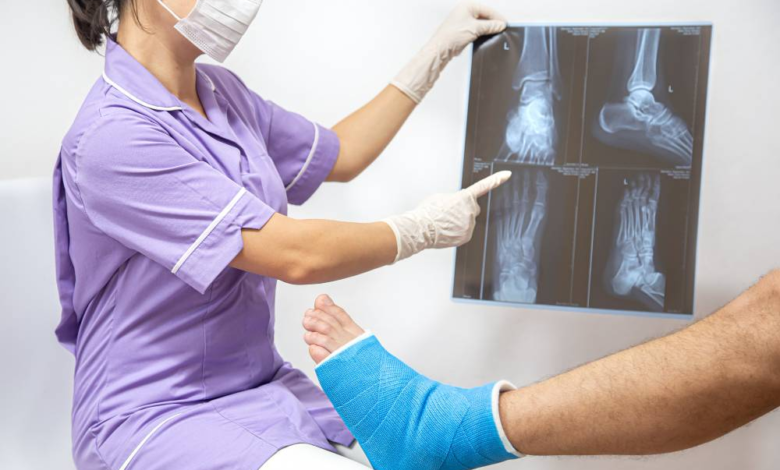
Fractures can occur from high-impact collisions or falls, while stress fractures develop gradually due to repetitive strain. Stress fractures are common in runners, dancers, and athletes who train intensely without adequate rest. Symptoms include localized pain, swelling, and difficulty bearing weight. Diagnosis typically requires X-rays or advanced imaging. Treatment involves rest, protective boots, or casting for more severe fractures. Preventive strategies include proper footwear, strength training, and avoiding sudden increases in workout intensity to safeguard bone health.
Tendinitis And Overuse Injuries
Tendinitis is inflammation of a tendon caused by repetitive movements or overtraining. Common areas affected include the Achilles tendon, rotator cuff, and elbow. Athletes may experience tenderness, swelling, and pain during movement. Early treatment includes rest, physiotherapy, and anti-inflammatory measures. If left untreated, tendinitis can progress into chronic tendinopathy. Modern treatments such as shockwave therapy or platelet-rich plasma injections help stimulate healing.
Shoulder Injuries, Including Rotator Cuff Tears
Shoulder injuries often arise from repetitive overhead movements common in swimming, cricket, tennis, and weightlifting. Rotator cuff tears cause weakness, pain while lifting the arm, and limited range of motion. Treatment depends on the severity of the tear. Minor injuries may improve with physiotherapy, strengthening exercises, and anti-inflammatory therapies. Severe tears sometimes require surgical repair followed by structured rehabilitation. Strengthening shoulder muscles and practising proper technique help protect the joint against future injuries.
Modern Imaging And Diagnostic Techniques
Accurate diagnosis is essential for effective treatment. Advanced imaging tools such as MRI, ultrasound, and CT scans help identify soft tissue injuries, cartilage damage, and subtle fractures. These techniques allow doctors to detect injuries that may not be visible on standard X-rays. Motion analysis and digital gait assessments also play a role in understanding biomechanical issues. Accurate imaging is especially valuable for athletes returning to high-intensity sports.
Advanced Treatment Options Used Today
Modern sports medicine offers innovative treatments such as arthroscopy, regenerative therapies, and personalized rehabilitation programs. Platelet-rich plasma therapy boosts healing in tendons and ligaments. Minimally invasive arthroscopic surgeries allow faster recovery with smaller incisions and reduced pain. Advanced bracing and taping techniques support injured areas while allowing movement.
Role Of Physiotherapy In Recovery
Physiotherapy is central to sports injury recovery. Therapists design individualized programs that include strengthening exercises, mobility work, and balance training. They also use techniques like manual therapy, ultrasound therapy, and neuromuscular training to promote healing. Physiotherapy helps reduce pain, restore function, and prevent reinjury. It plays a key role both after surgery and during conservative treatment.
Ahmedabad has developed a reputation for sports medicine, offering advanced diagnostic tools, skilled orthopedic specialists, and modern physiotherapy centers. Athletes seeking comprehensive care can access services like arthroscopy, digital imaging, and specialized rehabilitation programs. Many individuals choose Sports Injuries Diagnosis And Treatment In Ahmedabad due to the city’s combination of experienced doctors, updated facilities, and patient-focused treatment plans.
Prevention Strategies For Long-Term Joint Health
Preventing sports injuries involves building strength, improving flexibility, and using proper technique.
Helpful strategies include:
- Adequate warm-ups and cool-downs
- Wearing appropriate footwear
- Cross-training to avoid overuse
- Listening to early pain signals