Picture this: you’re floating on a warm afternoon, eyes closed, letting the gentle push of your pool’s return jets massage your shoulders. Then you notice a faint tingling sensation in the water. That moment of unease isn’t paranoia—it’s a warning sign that something in your pool’s electrical system may have gone dangerously wrong. Pool jets are the unsung heroes of your swimming environment, continuously circulating treated water to keep it clean, clear, and safe for your family. But the powerful pumps and motors driving those jets introduce a silent risk that most pool owners never think about until it’s too late: electrical hazards in a wet environment. The question every swimming enthusiast should be asking is straightforward yet critical—how does GFCI protection actually work to prevent the deadly hazards associated with pool jet equipment, and is your system truly safeguarded? Understanding the interplay between modern ground fault protection and the common dangers lurking around your pool’s electrical components could genuinely save a life.
Understanding Your Pool Jet System and GFCI Basics
Your pool’s return jets—those small, adjustable nozzles embedded in the pool walls—serve as the delivery endpoints of your entire circulation system. After water is pulled through the skimmer and main drain, filtered to remove debris, and treated with sanitizer, the jets push it back into the pool at angles designed to create consistent water movement. This circulation prevents stagnant zones where algae and bacteria thrive, distributes chemicals evenly, and keeps your pool swimmable day after day.
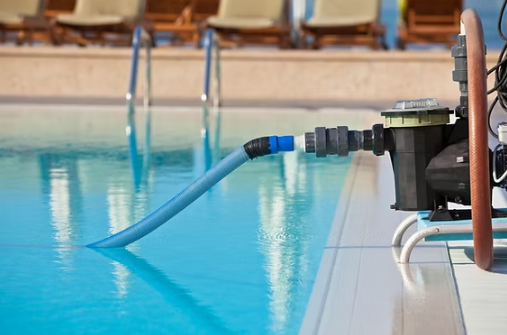
Behind every jet sits a pump and motor assembly, typically drawing between 120 and 240 volts of electricity. The motor spins an impeller inside the pump housing, generating the pressure that forces water through your plumbing and out those jets. This means you have a powerful electrical device operating continuously just feet from a body of water—and often from the people swimming in it. Water is an excellent conductor of electricity, so any fault in the motor’s wiring, a crack in the pump housing, or degraded insulation on a wire can allow electrical current to find an unintended path directly into your pool water.
This is where a Ground Fault Circuit Interrupter becomes essential. A GFCI constantly monitors the current flowing out on the hot wire and returning on the neutral wire. Under normal conditions, these two values are equal. If even a tiny amount of current—as little as 4 to 6 milliamps—leaks to ground through an unintended path (like water, or a human body), the GFCI detects that imbalance and cuts power in approximately one-fortieth of a second. That speed matters because it takes far less time than what’s needed for a fatal shock to occur. A standard circuit breaker, by contrast, only trips when excessive current threatens to overheat wiring—it protects your house from fire, not your family from electrocution.
See also: Insurance: The Smart Way to Manage Life’s Risks
Why GFCI Protection is Non-Negotiable for Pool Equipment
Electric shock drowning is a phenomenon that claims lives every year, often in ways that appear to be ordinary drowning. When stray current enters pool water from a faulty pump motor or damaged wiring, swimmers may experience muscle paralysis that prevents them from keeping their heads above water. Because there are no visible signs of electrical involvement, these incidents frequently go misidentified, meaning the true scope of the problem is likely underreported. The Consumer Product Safety Commission has documented numerous cases tied directly to pool and spa equipment failures.
Recognizing this danger, the National Electrical Code has progressively strengthened requirements around pool equipment. NEC Article 680 now mandates GFCI protection for all single-phase pool pump motors rated 120 through 240 volts, regardless of whether the receptacle is within direct reach of the pool. This requirement applies to new installations and, in many jurisdictions, to replacement equipment on existing pools. The code also requires equipotential bonding of all metal components within five feet of the pool’s edge, creating a secondary safety net alongside GFCI protection.
Think of GFCI as the first and fastest line of defense in a layered safety approach. Bonding and grounding reduce voltage differences that could shock a swimmer, but the GFCI is what actually disconnects power before a fault becomes fatal. Without a functioning GFCI on your pool jet pump circuit, every other safety measure you’ve invested in operates without its most critical partner.
Step-by-Step: Ensuring Proper GFCI Protection for Your Pool Jet Pump
Before you can fix a problem, you need to confirm it exists. Start by identifying whether your pool pump circuit already has GFCI protection. Walk to your electrical panel and look at the breaker serving your pool equipment—a GFCI breaker will have a “TEST” button directly on its face, distinguishing it from standard breakers. If your pump plugs into a receptacle instead, check whether that outlet has the familiar “TEST” and “RESET” buttons indicating a GFCI outlet. Some older installations rely on a standard breaker with no ground fault protection whatsoever, especially if the pump was installed before current code requirements took effect. If you find no test button on either the breaker or the outlet, your pool jet pump is almost certainly unprotected.
Once you’ve identified a gap in protection, hiring a licensed electrician isn’t optional—it’s the only responsible path forward. A qualified professional will evaluate your existing circuit’s amperage, wire gauge, and routing to determine whether a GFCI breaker can simply replace the existing standard breaker or whether additional work is needed. They’ll select the correct device type: a GFCI breaker installed at the panel for hardwired 240-volt pump motors, or a GFCI receptacle closer to the equipment for plug-in 120-volt systems. The electrician will also verify that your bonding grid and grounding conductors are intact, since a GFCI installed on a system with compromised grounding may not trip reliably.
For informational purposes, you should understand the three main GFCI device types available. GFCI circuit breakers protect the entire circuit from the panel outward and are the standard solution for permanently wired pool pumps. GFCI receptacles protect anything plugged into them and any downstream outlets on the same circuit. Portable GFCI devices plug inline between an appliance and an outlet, offering temporary protection for situations like using a corded pump during pool maintenance. While knowing these options helps you have informed conversations with your electrician, attempting pool electrical work yourself introduces risks of code violations, voided insurance coverage, and genuine physical danger that far outweigh any cost savings.
After installation, monthly testing keeps your protection reliable. Press the “TEST” button on your GFCI device—you should hear a click, and the circuit should immediately lose power (verify by checking that your pump stops running). Then press “RESET” to restore power. If pressing “TEST” doesn’t trip the device, or if the device won’t reset afterward, the GFCI has failed and needs immediate replacement. Environmental factors like moisture intrusion, power surges, and simple age degrade these devices over time. A GFCI that won’t trip during a manual test absolutely will not trip during a real fault, leaving your family exposed to the exact hazard it was designed to prevent.
Beyond GFCI: Identifying and Mitigating Common Pool Jet Hazards
While GFCI protection addresses the invisible threat of electrical faults, pool jets present several physical and structural hazards that deserve equal attention. A broken or missing jet cover exposes the fitting’s sharp edges and, in some configurations, creates a suction point strong enough to trap hair, fingers, or swimsuit fabric against the opening. Children are particularly vulnerable to entrapment injuries because their smaller bodies can form a seal over an exposed fitting. The solution is straightforward but requires consistency: inspect every jet cover each time you open the pool for use. Run your hand across each fitting to confirm it’s flush, secure, and free of cracks. If a cover spins freely, feels loose, or shows visible damage, replace it immediately—these components are inexpensive and widely available at pool supply retailers. Never allow swimming when a jet cover is missing, regardless of how briefly you plan to be in the water.
Waterproofing failures represent a slower-developing but equally serious category of hazard. The conduits carrying electrical wiring to your pump run underground and through areas exposed to moisture, soil chemicals, and temperature cycling. Over time, conduit seals deteriorate, allowing water to wick along wires back toward electrical connections. Pump housings themselves can develop hairline cracks from chemical exposure or freeze damage, permitting moisture to reach motor windings. Warning signs include visible corrosion on electrical junction boxes near the pump, green or white mineral deposits around conduit entry points, and a pump motor that trips its GFCI repeatedly without an obvious cause. When you spot these indicators, shut down the equipment and schedule a professional evaluation. Attempting to seal a compromised conduit or housing yourself risks trapping moisture inside, accelerating corrosion you can no longer see.
Improper installation creates hazards that may remain hidden for years before manifesting as a dangerous failure. Common issues include pump motors wired at incorrect voltage, missing or disconnected bonding conductors between metal pool components, and plumbing connections that vibrate loose over time due to inadequate support. A pump running on the wrong voltage may operate but overheat internally, degrading wire insulation until a ground fault develops. Unbonded metal ladders, rails, or light niches can carry voltage differences that shock swimmers even when the pump itself is functioning normally. The only reliable safeguard against installation-related hazards is professional work from the start, combined with an annual inspection by a licensed electrician or certified pool technician who can verify bonding continuity, measure resistance to ground, and confirm that all connections remain code-compliant as your system ages.
Comprehensive Pool Jet Safety Checklist for Swimming Enthusiasts
Turning safety knowledge into consistent action requires a structured approach tied to your pool’s seasonal rhythm. Organizing your inspections into pre-season, monthly, and annual categories ensures nothing falls through the cracks while keeping each check manageable in scope.
Before your first swim of the season, dedicate an afternoon to a thorough electrical safety review. Press the TEST button on every GFCI device protecting pool equipment and confirm each one trips and resets cleanly. Visually inspect all visible wiring, junction boxes, and cord connections for signs of rodent damage, cracking, or discoloration that may have developed over winter. Check that no extension cords have been substituted for permanent wiring—a common shortcut that bypasses GFCI protection entirely. At the pump itself, look for rust stains, moisture trails, or white mineral deposits around electrical access panels that suggest water intrusion during the off-season.
Monthly mechanical checks should become as routine as testing your water chemistry. Walk the pool perimeter and physically press each jet cover to confirm it’s seated firmly and doesn’t rotate or pull free. Listen to your pump during operation—grinding, screeching, or rhythmic knocking signals bearing wear or debris in the impeller, conditions that stress motor windings and increase fault risk. Observe the water flow from each jet; noticeably reduced output from one or more jets may indicate a developing clog that forces the pump to work harder and run hotter than designed. Document what you find in a simple logbook or phone note, recording dates and observations so you can identify gradual changes that a single snapshot would miss. Homeowners using smart home platforms like iGarden can set automated reminders for these monthly safety checks, ensuring they never slip off the calendar during busy summer months.
Annual professional inspections round out your safety program with expertise you cannot replicate on your own. A licensed electrician or certified pool technician will measure bonding continuity between all metal components, test ground resistance values, and verify that GFCI devices trip within their required time threshold using calibrated instruments rather than just the built-in test button. They’ll also inspect underground conduit integrity where accessible and evaluate whether aging equipment has reached the point where replacement is safer than continued repair. Keep inspection reports on file—they support insurance claims if an incident occurs and provide valuable history for any technician servicing your system in the future. When anything falls outside normal parameters during your own checks, resist the temptation to troubleshoot electrical components yourself and call a qualified professional immediately.
Protecting Your Family With Proactive Pool Jet Safety Practices
A swimming pool should be a place of relaxation and joy, not a source of hidden danger. Keeping it that way demands attention to two fundamental safety pillars that work together to protect everyone who enters the water. First, functional GFCI protection stands as your primary and fastest defense against electrical shock and the terrifying reality of electric shock drowning—a device that costs relatively little but delivers protection no other component can replicate. Second, consistent attention to the physical and structural integrity of your jet system—from intact covers that prevent entrapment to sealed conduits that keep moisture away from live wiring—addresses the hazards that develop gradually and silently over time.
You don’t need to become an electrician or a pool technician to keep your family safe. What you need is the discipline to test your GFCI devices monthly, inspect your jet fittings before every swim season, and call a qualified professional the moment something looks or sounds wrong. Use the checklist in this article as your guide, schedule that annual professional inspection, and document everything. Your pool exists to bring your family together for exercise, fun, and those quiet floating moments on a warm afternoon. A few minutes of proactive safety work ensures those moments remain exactly what they should be—peaceful, refreshing, and completely free from preventable harm.