Renovation plans usually focus on flooring, cabinets, paint, and layout, yet lighting can shape how smooth the entire project feels. To build this guide, practical remodeling needs were reviewed alongside trusted lighting guidance from energy and home efficiency sources. The result is a simple look at how better lighting can support the work itself and improve the finished space.
Good lighting helps people see measurements, materials, tools, corners, and details more clearly. That can make a big difference when a room is under construction or halfway finished. A shadow inside a cabinet, a dark closet shelf, or a dim workbench can slow progress and lead to small mistakes.
Lighting also affects how a renovated space feels after the work is done. Smart lighting choices help make sure new storage, work areas, and finished details are easy to use at any time of day.
Small Lights Can Solve Big Renovation Problems
Many renovation jobs include tight spaces. Cabinets, closets, pantries, laundry rooms, mudrooms, and built-ins often have areas that overhead lights do not reach well. These spaces may seem minor at first, but they are used often once the project is complete.
Puck lights are useful in these areas since they add focused light without taking up much room. Their compact shape makes them a strong fit under shelves, inside cabinets, along closet sections, and near small work zones.
During a renovation, this kind of lighting can help with detail work. Installing hardware, checking shelf alignment, sorting supplies, and touching up paint all become easier when the area is bright. It also helps homeowners see how the space will function in real life before the job is finished.
For contractors, better task lighting can support cleaner results. A bright cabinet interior makes it easier to place hinges correctly. A lit work surface helps with cutting, labeling, and assembly. For homeowners doing smaller updates, compact lighting can reduce the need to rely on a flashlight or move a lamp around the room.
Better Lighting Improves Storage, Safety, and Daily Use
Storage is one of the biggest reasons people renovate. They want kitchens that hold more, closets that feel organized, and utility spaces that do not waste space. Lighting can make those upgrades more useful.
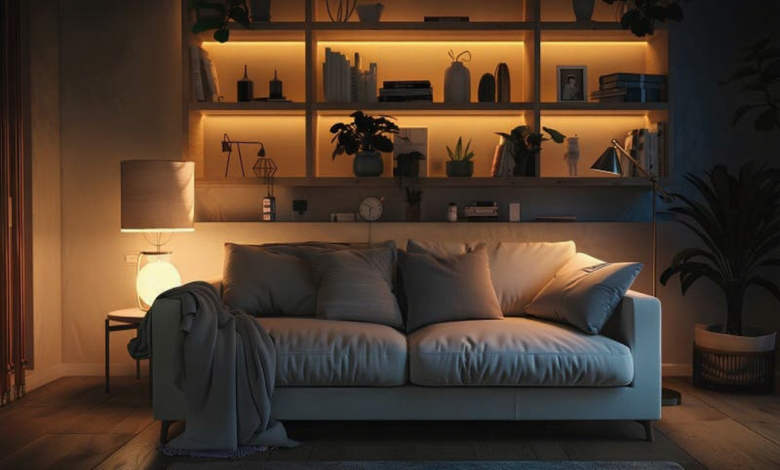
In kitchens, small lights can help inside deep cabinets, open shelving, or areas below upper cabinets. This makes it easier to find cookware, snacks, cleaning supplies, or small appliances. It can also make prep areas feel more comfortable, especially in corners that stay dim under ceiling lights.
In closets, focused lighting helps people see clothing, shoes, bags, coats, and linens. In pantries, better lighting helps homeowners spot items at the back of shelves, which can reduce clutter and make meal planning easier.
Lighting can also support safer movement. Renovation zones often include tools, cords, boxes, and loose materials. Extra lighting near steps, narrow walkways, storage areas, or temporary work stations can make it easier to move around with care.
Once the project is complete, those same lighting choices keep helping. A mudroom bench becomes easier to use during early mornings. A laundry room shelf becomes easier to sort. A garage cabinet becomes more practical for tools, batteries, and household supplies.
That makes LED lighting a smart option for homeowners who want useful light without adding a large energy burden.
How to Plan Lighting Before the Work Is Finished
The best time to think about lighting is before the final pieces are installed. Once cabinets, shelves, trim, or wall panels are finished, adding lights may take more effort. Planning early helps homeowners and contractors place lights in a way that feels natural.
Start by looking at how each space will be used. A cabinet for dishes has different needs than a display shelf. A closet for coats needs different lighting than a hobby bench. The goal is to match the light to the task.
Brightness matters. Work areas need clearer, stronger light. Display areas may need softer light. Closets and cabinets should be bright enough to make items easy to find without feeling harsh.
Placement matters too. Lights placed near the front of a shelf can often spread light more evenly across the space. Lights placed too far back may leave the front edge dark.
Power source should also be part of the plan. Some renovation projects allow hardwired lighting while walls or cabinets are open. Other projects may work better with plug-in or battery-powered options. Deciding early can help avoid extra holes, cords, or patchwork later.
Controls can make lighting more convenient. Motion sensors can work well in closets and pantries. A switch may be better near a workbench or laundry area. Dimmers can help in finished spaces where the same light may be used for tasks during the day and softer lighting at night.
A Brighter Renovation Starts With Smarter Details
A renovation does not need the most expensive fixtures to feel well planned. It needs lighting that supports the way people actually use the home. Small, targeted lights can make cabinets easier to search, closets easier to organize, work areas easier to use, and finished rooms more comfortable.
Smart lighting choices also help during the project, not just after it. Better visibility can reduce frustration, support cleaner work, and make each step feel more controlled. When puck lights are planned with purpose, they can turn dark corners and hidden storage spots into some of the most useful parts of the home.