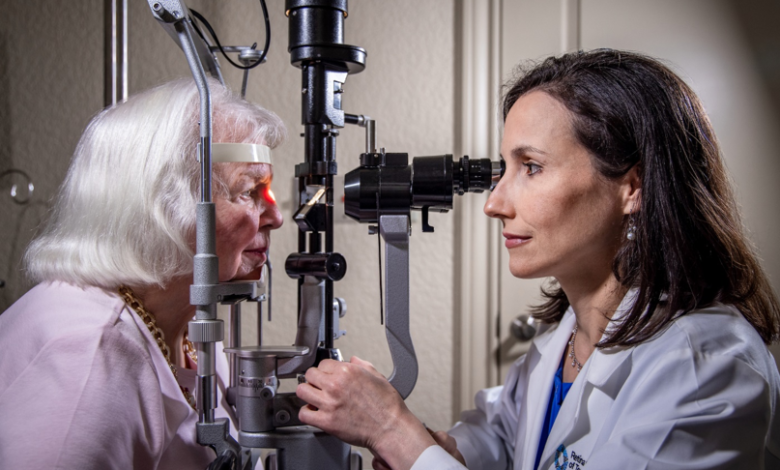
The retina is an important part of your eye responsible for converting light into signals that your brain interprets as vision. When problems develop in the retina, specialized care is usually needed. A retina specialist is an eye doctor with advanced training focused on diagnosing and managing retinal and vitreous conditions.
This article explains who a retina specialist is, what conditions they treat, when you should see one, and what to expect during evaluation and treatment.
What Is a Retina Specialist?
A retina specialist is an ophthalmologist who undergoes additional years of fellowship training beyond standard eye doctor education to diagnose and treat disorders of the retina and vitreous, which is the gel-like substance filling the back of the eye. These doctors are equipped to manage complex retinal diseases, provide medical and surgical treatments, and interpret advanced imaging tests.
Retina specialists usually work with patients who have sudden changes in vision, advanced eye disease, or conditions that require specialized interventions that cannot be provided by general eye care providers.
Common Retinal Conditions
Retinal conditions can range from mild and slowly progressing to acute and vision-threatening. Understanding common issues can help you recognize symptoms early and seek timely care.
1. Diabetic Retinopathy
Diabetic retinopathy occurs when high blood sugar damages blood vessels in the retina. It is one of the leading causes of vision loss among adults with diabetes.
Symptoms
- Floaters (spots in vision)
- Blurry vision
- Dark or empty areas in vision
- Vision loss in advanced stages
Treatment Options
- Laser therapy to seal leaking blood vessels
- Injections of medications into the eye
- Vitrectomy surgery in advanced cases
2. Age-Related Macular Degeneration (AMD)
AMD affects the macula, the central part of the retina responsible for detailed vision. It is common in older adults and can lead to central vision loss.
Types of AMD
- Dry AMD: Gradual breakdown of macular tissue
- Wet AMD: Growth of abnormal blood vessels under the retina
Management
- Nutritional supplements may slow progression in dry AMD
- Medications injected into the eye to control wet AMD
- Low-vision devices to improve functionality
3. Retinal Detachment
A retinal detachment is an emergency condition where the retina pulls away from the back of the eye, cutting off its blood supply.
Symptoms
- Sudden increase in floaters
- Flashes of light
- A shadow or curtain over part of vision
Treatment
- Urgent surgical repair to reattach the retina and prevent permanent vision loss
4. Macular Hole and Pucker
These conditions affect the central retina and can cause distortion and blurred vision.
- Macular hole: A small break in the macula
- Macular pucker: Scar tissue on the macula that wrinkles its surface
Treatments
- Vitrectomy and membrane peeling surgery
See also: 5 High-Protein, High-Fat Cat Foods for Optimal Health
When Should You Consult a Retina Specialist?
Seeing a retina specialist is essential when you experience symptoms that suggest retinal involvement or when a general eye doctor identifies retinal disease during an exam.
Warning Signs to Watch For
- Sudden changes in vision
- Persistent floaters or flashes of light
- Distorted or wavy vision
- A dark shadow or curtain over vision
- Unexplained blurry or decreased vision
If you notice any of these symptoms, seek prompt evaluation. Early diagnosis and intervention can prevent progression and preserve vision.
For example, individuals in and around Chandigarh looking for advanced retinal care should know that choosing the best retina specialist in Chandigarh involves assessing expertise, technology access, and patient-centered care rather than marketing claims.
How Retina Specialists Diagnose Conditions
Retina specialists use a combination of clinical examination and advanced imaging to evaluate the retina and vitreous.
Comprehensive Eye Exam
Your retina specialist will begin with a detailed history and visual acuity test to assess how well you see at various distances.
Dilated Fundus Examination
Drops are used to enlarge (dilate) the pupil, allowing the doctor to view the retina and optic nerve more clearly using specialized lenses.
Imaging Tests
- Optical Coherence Tomography (OCT): Provides cross-sectional images of retinal layers to detect fluid, swelling, or structural changes.
- Fluorescein Angiography: A dye is injected into the bloodstream to visualize blood flow in retinal vessels.
- Ultrasound: Used when direct visualization is difficult, such as in dense cataracts or vitreous hemorrhage.
These tests help in detailed evaluation and treatment planning.
Treatment Approaches by Retina Specialists
Retina specialists are trained to offer both medical and surgical treatments tailored to specific conditions.
1. Medical Treatments
- Anti-VEGF Injections: Medications are injected into the eye to reduce abnormal blood vessel growth and fluid leakage, especially in wet AMD and diabetic retinopathy.
- Steroid Injections: Used to reduce inflammation and swelling in certain conditions.
Regular follow-up is often required to monitor progress and determine the need for repeated treatments.
2. Surgical Treatments
Surgical interventions may be necessary for conditions such as retinal detachment, vitreous hemorrhage, or severe macular disorders.
● Vitrectomy: This surgery involves removing the vitreous gel and replacing it with a clear solution to allow better access to the retina and facilitate repair.
● Retinal Reattachment Procedures: Different techniques, such as pneumatic retinopexy or scleral buckle surgery, can be used depending on the detachment type and location.
Your retina specialist will recommend the most appropriate procedure based on condition severity and individual patient factors.
What Happens During a Retina Specialist Visit?
A visit to a retina specialist may include the following steps:
- Review of Symptoms and Medical History: Including systemic conditions like diabetes or hypertension.
- Vision Testing and Eye Pressure Measurement: To assess baseline function.
- Pupil Dilation: To examine the retina and optic nerve.
- Imaging Tests: To capture detailed views of retinal structures.
- Discussion of Diagnosis and Treatment Options: Including risks, benefits, and follow-up plans.
Your retina specialist will ensure you understand your condition and the recommended care plan.
FAQs
What does a retina specialist do?
A retina specialist diagnoses and treats diseases of the retina and vitreous, offering both medical and surgical care for complex eye conditions.
When should I see a retina specialist?
You should consult a retina specialist if you experience sudden vision changes, persistent floaters or flashes, or if your general eye doctor detects retinal abnormalities during an exam.
Are retinal conditions treatable?
Many retinal conditions can be effectively managed with early diagnosis and appropriate treatment, though some may require long-term care or monitoring.
Is retinal surgery safe?
Retinal surgeries, when performed by experienced specialists, are generally safe. Risks vary depending on the procedure and individual factors, which your doctor will discuss with you.
Can retinal problems cause blindness?
Yes, untreated retinal diseases like detachment, diabetic retinopathy, and advanced AMD can lead to permanent vision loss.
Conclusion
Retina specialists play a key role in protecting vision for people with complex retinal and vitreous diseases. They combine advanced training, diagnostic tools, and personalized care to manage conditions that can seriously affect sight. Recognizing symptoms early and seeking specialized care can make a significant difference in outcomes.
If you notice visual symptoms that concern you, schedule an eye examination promptly. Early intervention and ongoing monitoring are key to maintaining healthy vision and preserving quality of life.